
Orthodontics
Can An Underbite Cause Speech Problems?


Orthodontics
Underbites can make it hard to pronounce certain words and sounds. These types of malocclusions can also result in other speech problems such as a lisp or slurring. Orthodontic treatment, sometimes combined with speech therapy, can correct these issues.
Jaw alignment and speech are closely intertwined. Thus, underbites can be common causes of speech problems. Aside from aesthetics, speech difficulties are some of the primary reasons many children and adults seek orthodontic treatment. In some cases, orthodontic treatment alone can successfully correct a speech impediment. In other cases, speech therapy may be recommended as a complementary therapy.
While common, speech issues aren’t the only problems caused by underbites. Other complications of untreated malocclusions can include bad breath, jaw pain, and breathing difficulties. [1] Indirectly, an underbite could also lead to social and interpersonal issues related to low self-esteem, especially in children.
Your orthodontist may take a unique approach to your orthodontic treatment plan, depending on your specific case. Some of the popular options for treating an underbite include retainers, braces, and jaw surgery. Without treatment, speech impediments may cause ongoing communication and self-esteem issues.
An underbite is a common orthodontic condition that occurs when a person’s lower teeth and jaw protrude farther out compared to the upper teeth and jaw. Orthodontists refer to underbites as class III malocclusions. Underbites may be genetic or may be caused by prolonged pacifier use or thumb-sucking in early childhood.[2] Other causes might include mouth breathing or tongue thrusting.
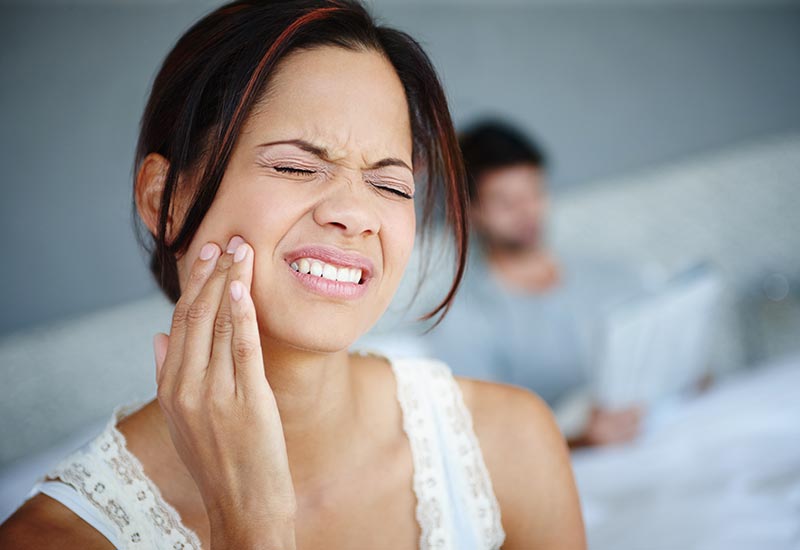
Most people prefer the look of a proper bite, when the upper front teeth slightly overlap the bottom front teeth. However, cosmetic concerns aren’t the only negative consequences of an underbite. Other symptoms of an underbite may include: [3]
If you or your child is experiencing symptoms of an underbite or similar issue, ask your doctor or dentist for a referral, or call the office directly. In some cases, your insurance plan may cover some or all of the costs associated with treatment when orthodontic issues impact speech.
Speech difficulties may be some of the most troublesome consequences of underbites. It can result in communication issues as well as low self-esteem for those affected. Specifically, class III malocclusions like underbites are the most common culprits for speech problems, including:
Speech therapy for underbite speech issues is not uncommon. If your child has a noticeable speech impediment, their pediatrician or school teacher may recommend speech therapy. Parents can also request a speech evaluation if they have concerns about their child’s communication or speech development.
Speech therapy can help with a variety of speech problems, including those caused by underbites and other malocclusions. Since speech impediments associated with underbites are caused by a misalignment of the teeth and jaw, orthodontic treatment is almost always recommended in conjunction with speech therapy.
The majority of underbites can be corrected, but this often requires orthodontic intervention. An experienced orthodontist can evaluate your bite during an office visit and recommend a course of orthodontic treatment for speech problems caused by underbite. While every case is different, common treatment plans for underbites include: [5]
If you or your child have a visible underbite or symptoms of an underbite, reach out to your dentist or orthodontist as soon as possible. Early identification and treatment of this type of underbite can result in less invasive options and quicker outcomes. A brighter smile and clearer speech could be just a call away.
With an underbite, the misalignment of teeth creates a situation where the teeth get in the way of the tongue, making it hard to pronounce certain sounds.
There is no standard treatment for speech problems. Instead, your orthodontist will carefully evaluate your bite and jaw alignment to recommend a personalized treatment plan. This plan might include a retainer, braces, or surgery, for example.
No, at least not directly. However, underbites can cause other speech impediments such as slurring or lisp. In most cases, proper orthodontic treatment can correct these issues.
Yes. Both underbites and overbites can cause speech impediments, including lisps and trouble pronouncing certain sounds. Like underbites, overbites can be treated by an orthodontist using various orthodontic appliances such as braces or retainers. In severe cases, surgery may be required.
Usually. In mild to moderate cases of an underbite, an orthodontic appliance such as a palatal expander or braces may be recommended. In more severe cases, jaw surgery may be required. Only a trained orthodontist can recommend the proper treatment protocol following a thorough in-office evaluation.
[1] [2] [3] Baum, A. (2025d, September 11). 7 common types of bite problems and their orthodontic solutions. American Association of Orthodontists. https://aaoinfo.org/whats-trending/7-common-bite-problems/
[4] Palakolanu, S. V., Dodda, K. K., Yelchuru, S. H., & Kurapati, J. (2024, June 13). Comparison of speech defects in different types of malocclusion. Cureus. https://pmc.ncbi.nlm.nih.gov/articles/PMC11245716/
[5] Underbite: Causes, symptoms & correction. Cleveland Clinic. (2025ag, June 2). https://my.clevelandclinic.org/health/diseases/24985-underbite